
Measurements establish the starting point
Cool outdoor weather and damp air do not establish the moisture inside your floor or wall. Ask which materials are being tested, how readings are recorded and whether inaccessible cavities remain uncertain. A surface reading and a concealed assembly are different observations.
Understand airflow and dehumidification
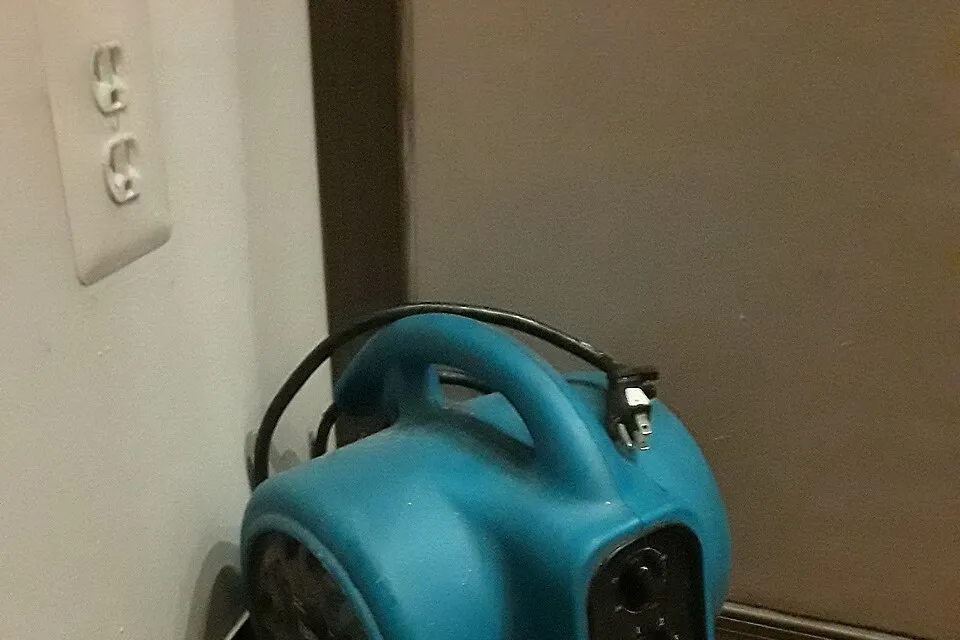
After safety and contamination checks, a provider may plan air movement and dehumidification. Ask what each machine does, where it belongs and which circuits it needs. Follow the operating instructions; moving equipment or changing ventilation without agreement can alter the plan.
Make monitoring and costs explicit
Request the monitoring frequency, responsible contact and criteria for changing equipment. Ask which charges are daily and which are fixed. An estimated duration should not become a promise that every material will be dry on a particular day. The water-recovery call planner explains useful questions.
Separate dry-out from rebuilding
New finishes should not conceal an unresolved moisture source. Obtain the completion record and identify repairs that remain outside the drying contract. Discuss recurring odor or visible growth through a separate separate qualified assessment of suspected microbial growth.
Related water-recovery work
Prepare the next step
Use the water-recovery call planner to keep your observations and questions organized.
- Entry permissionResponsible authority sets access limits.
- AssessmentBusiness records rooms, materials and work limits.
- Written scopeYou clarify charges, exclusions and approvals.
- Completion recordsKeep findings before the rebuilding handoff.